Away Rotations: How to Choose, Apply, and Use Them for Residency
What an away rotation actually involves, how to decide whether one is worth doing, and how to use it well once you are there.
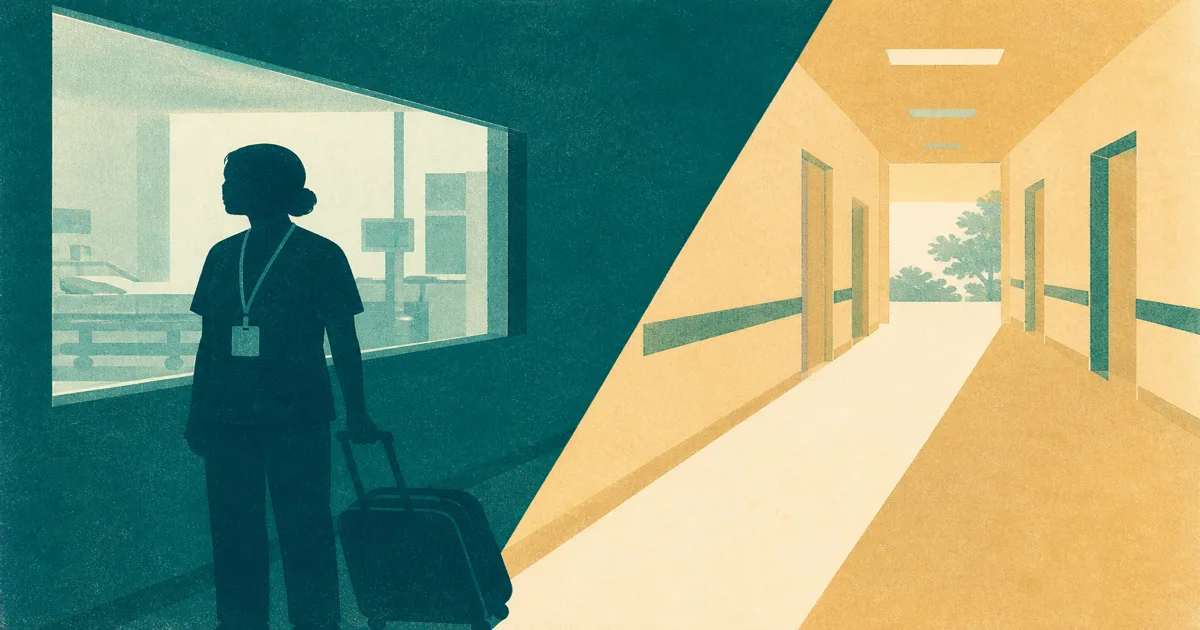
The short answer: Away rotations are clinical rotations at institutions outside your home medical school, usually applied for through a centralised system like VSLO, and used to build direct exposure to a specialty or programme before residency applications. They help most in specialties that weigh hands-on clinical performance heavily, but they are a strategic choice, not a universal requirement.
Away rotations sit in an odd spot for a lot of applicants: talked about constantly, but rarely explained clearly. Some specialties treat them as close to essential. Others barely factor them into decisions at all. Understanding what away rotations actually are, and when one is worth the cost and effort, helps you decide instead of guessing based on what a classmate did. If a host asks for a written statement with your application, use our away rotation personal statement guide before you paste an ERAS draft.
What away rotations actually are
An away rotation is a clinical rotation you complete at a hospital or programme outside your home medical school, typically during your final year. You apply, get accepted, and spend anywhere from two to six weeks working within that team, similar to a rotation at your own institution but in an unfamiliar setting.
Most US medical schools coordinate away rotations applications through the AAMC's Visiting Student Learning Opportunities (VSLO) system, a centralised platform many institutions use to list open away rotation slots and collect applications. Availability, requirements, and deadlines vary by host institution, so always check the specific listing rather than assuming a standard process applies everywhere. Our VSLO application guide covers the documents and timing that process typically involves.
Away rotation, sub-internship, or elective: what is the difference
These terms get used loosely, and the overlap causes confusion. An away rotation specifically means the location is not your home school. A sub-internship (sub-I), also called an acting internship, describes a rotation, at home or away, with resident-level responsibility under supervision. An elective is simply a rotation outside your core required curriculum. When the goal is programme-level evaluation at a site you may rank highly, people often call that month an audition rotation.
A single rotation can technically be all three at once: an away sub-internship taken as an elective. What matters for your application is less the label and more what you actually did and how directly it connects to the specialty and programmes you are targeting.
Why away rotations matter for residency applications
Programmes value away rotations because they offer something an application on paper cannot: a real, extended look at how you work under their supervision. That cuts both ways. A strong rotation can meaningfully help your chances at that specific programme. A weak one is remembered too. For the broader picture of how this evidence fits your full application, see our ERAS application guide.
Some specialties, particularly ones with a strong emphasis on hands-on technical skill and fit within a specific team culture, lean on away rotations more heavily than others. Ask faculty and advisors in your target specialty directly, since the value of away rotations varies more by field than general advice usually captures.
In pathways such as pediatrics residency or emergency medicine, an away rotation can clarify fit and generate a specialty letter. In other fields, a strong home sub-internship plus targeted electives may be enough.
How VSLO applications generally work
VSLO typically opens for institutions to list rotations and for students to browse and apply months before rotations begin, with host institutions setting their own requirements around eligibility, immunisations, and background checks. Timing and requirements shift by cycle and institution, so verify current AAMC VSLO dates rather than assuming a fixed calendar for 2026–2027.
Start browsing listings early, since popular away rotations at well-known programmes fill quickly. Have your documentation, immunisation records, and any required certifications ready well before you plan to apply, so a missing form does not cost you a slot you otherwise would have gotten.
When away rotations are worth doing
Away rotations are worth pursuing when they serve a clear purpose: testing genuine interest in a specialty you have not fully experienced at your home institution, building a relationship with a programme you are seriously interested in, or gaining exposure your home school cannot offer at all.
They are worth skipping, or doing fewer of, if the cost and disruption outweigh a vague sense that "everyone does one." Talk to your school's advising office about whether an away rotation actually moves the needle for your specific specialty and profile before committing significant time and money.
Choosing where to apply for away rotations
Consider programmes where you have genuine interest, not just name recognition. A rotation at a highly ranked programme where you performed unremarkably helps less than a strong rotation somewhere realistically aligned with your application. Ask faculty mentors for suggestions based on your specialty and goals rather than working purely from a general list.
Practical factors matter too: cost of travel and housing, distance from family or support systems, and how the rotation timing fits around your other final-year requirements and application deadlines. Align away rotations with your ERAS timeline so letters and experiences land before submission.
Logistics and costs to plan for
Away rotations are almost always unpaid, and you will likely cover your own housing, travel, and living costs for the duration. Some host institutions offer subsidised housing for visiting students, so check listings carefully rather than assuming you need to arrange everything independently.
Background checks, immunisation records, and sometimes drug screening are common requirements, and processing them can take weeks. Start gathering documentation as soon as you accept a rotation offer, since a delayed background check can jeopardise your start date.
How to perform well during away rotations
Treat the first few days as an extended first impression. Learn names, ask how the team prefers information communicated, and show up early and prepared rather than waiting to be told what to do. Away rotators who ask thoughtful questions and pitch in without being asked tend to stand out quickly.
Keep a simple end-of-day habit: note one thing you learned and one thing you could have done better. That habit both improves your performance during the rotation and gives you real material for later reflection, application entries, or a letter request conversation.
Turning away rotations into ERAS evidence
Once your rotation ends, translate it into a specific, concrete entry rather than a generic line naming the institution. Note your actual responsibilities, any procedures or cases you were involved in, and anything you contributed beyond routine tasks. Our medical student CV guide covers how to phrase experience entries so specific contributions register clearly.
If the rotation went well and you built a genuine relationship with a supervising physician, consider whether they might be a strong letter writer, ideally someone who can speak to your clinical performance in a setting outside your home school. Letter logistics still follow the usual ERAS letter of recommendation process.
Common mistakes to avoid with away rotations
A few patterns undercut what should be a valuable rotation.
- Applying to too many away rotations without a clear reason for each one, which costs money and stretches your final year thin.
- Treating an away rotation as a formality rather than an extended evaluation, which shows in effort and attitude.
- Missing documentation deadlines, which can cost you a confirmed slot at the last minute.
- Failing to reflect afterward, leaving the experience as a line on a CV rather than usable material for applications.
- Ignoring advice from faculty and advisors about whether a rotation genuinely fits your specialty's norms.
- Scheduling away rotations so late that letters cannot arrive before programmes screen applications.
What to do after reading this
Talk to a faculty advisor in your target specialty this week about whether away rotations actually make sense for your goals and specialty. If they do, start browsing VSLO listings early, since strong slots fill quickly.
For a UK-style parallel built around arranging clinical experience outside your normal placements, see our guide on the clinical attachment.
Browse related Clinibound career guides on the blog and medical electives.
Frequently Asked Questions
What are away rotations in medical school?
Away rotations are clinical rotations completed at an institution other than your home medical school, usually in your final year, arranged through a centralised application system most schools use.
Do I need away rotations to match?
No. Away rotations help most in specialties where programmes weigh direct clinical exposure heavily, but plenty of applicants match successfully without one. Ask your school's advisors whether one makes sense for your specialty.
How many away rotations should I do?
Most advisors suggest one to three, depending on specialty competitiveness and cost. Doing too many can strain your schedule and finances without adding proportional benefit.
How much do away rotations cost?
Costs vary widely by location and include application fees, travel, and housing, since most rotations are unpaid. Budget early and ask your school about any funding support available.
How do I list away rotations on ERAS?
List each as a clinical experience entry with the institution, specialty, and dates, then use the description to note anything specific you contributed or learned, rather than just naming the rotation.
When should I apply for away rotations for the 2026–2027 cycle?
VSLO listings and host deadlines open months before rotations begin and vary by institution. Start browsing early for the cycle that feeds your residency applications, and verify current AAMC VSLO dates.